Evaluating the Botanical Logo Minimal Set for Organic Brand Identity
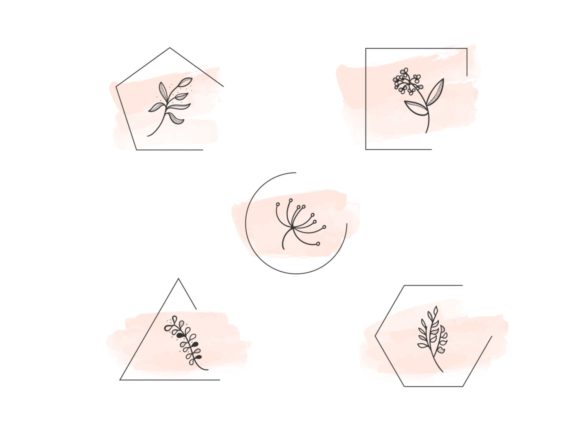
Selecting visual assets for a brand rooted in nature requires balancing aesthetic appeal with technical versatility. The Botanical Logo Minimal Set represents a specific category of design resources that prioritizes line work, organic flow, and vintage sensibilities over complex gradients or heavy typography. For designers and business owners comparing options, understanding the distinct characteristics of this outline drawing style is essential for determining if it aligns with long-term branding goals. This resource functions as a foundational toolkit rather than a finished product, offering a pure nature organic brush aesthetic that differs significantly from modern, geometric, or hyper-realistic botanical alternatives.
Distinguishing Characteristics of Outline and Doodle Styles
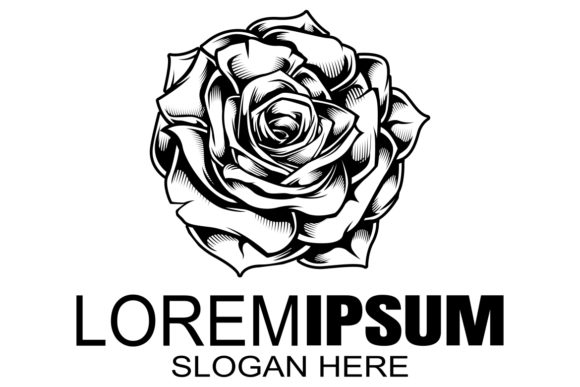
The primary differentiator of the Botanical Logo Minimal Set is its adherence to a minimal floral vintage style. Unlike contemporary botanical illustrations that often utilize flat colors, shadows, or 3D rendering, this set relies entirely on line weight and negative space. The doodle plant vector illustration approach creates a sense of handcrafted authenticity that digital perfection often lacks. This distinction matters because it dictates where the logo can be effectively applied. Line drawings maintain legibility at extremely small sizes, such as on social media avatars or jewelry tags, where filled shapes might blur together.
When evaluating this set against other botanical collections, consider the emotional resonance of the "doodle" aesthetic. It communicates approachability, artisanal quality, and eco-consciousness without appearing corporate. However, this same characteristic means it may not suit brands aiming for clinical precision, luxury exclusivity, or high-tech innovation. The pure nature organic brush feel is inherently soft and traditional. Users comparing this to rigid geometric logo sets will find that while geometric options offer better scalability for architectural signage, they lack the warmth required for wellness, skincare, or sustainable food products.
Technical Specifications and Workflow Integration
A critical factor in choosing any vector asset is compatibility with existing workflows. This set includes one EPS vector file and one high-resolution JPEG (6251 x 4167 pixels at 300 DPI). Understanding the practical implications of these formats helps avoid downstream production issues.
- EPS Vector Utility: The EPS format ensures infinite scalability without pixelation. This is non-negotiable for print materials like packaging, banners, and merchandise. Compatibility with Adobe Illustrator, Photoshop, and InDesign (CS5 through CC versions) covers the vast majority of professional design environments. Users on older CS5 versions should verify font embedding or convert text to outlines immediately upon opening to prevent missing glyph errors.
- High-Resolution JPEG Limitations: While the 6251 x 4167 JPEG is suitable for mockups, web headers, or digital proofs, it is a rasterized version of the vector. It cannot be edited structurally. Designers must rely on the EPS for color changes, stroke adjustments, or composition modifications. Comparing this to sets that include AI or SVG files, the absence of native AI files may require an extra conversion step for some users, though EPS remains the industry standard for cross-platform exchange.
- Resolution Adequacy: At 300 DPI, the provided JPEG supports large-format printing up to approximately 20x13 inches. For billboards or vehicle wraps, the vector file must be used exclusively. Buyers accustomed to ultra-high-res raster packs (e.g., 600 DPI) should note that 300 DPI is standard for commercial print but insufficient for specialized fine art reproduction.
Comparing Botanical Badge Collections vs. Custom Illustration
Decision-makers often weigh pre-made sets like the Botanical Floral Badge Collection against commissioning custom artwork or subscribing to generative AI platforms. Each path offers distinct tradeoffs regarding cost, time, uniqueness, and legal security.
Pre-made botanical emblem sets provide immediate access to professionally structured compositions. The badges in this collection are designed with balanced proportions and tested negative space, reducing the risk of amateur layout errors. Compared to custom illustration, which can take weeks and cost significantly more, this set offers a viable starting point for MVPs (Minimum Viable Products), pop-up shops, or rebranding tests. However, the tradeoff is exclusivity. Because these assets are available to multiple buyers, there is a possibility of visual overlap in saturated markets. Brands requiring trademarkable, wholly unique identifiers may need to use this set only as inspiration or for secondary brand elements rather than primary logos.
In contrast to AI-generated botanical vectors, curated sets offer clean topology and organized layers. AI outputs often contain stray anchor points, unclosed paths, or inconsistent stroke weights that require extensive cleanup before they are production-ready. The Botanical Logo Minimal Set provides verified, clean geometry compatible with professional manufacturing processes like laser cutting or embroidery digitizing. While AI tools excel at rapid ideation, they currently lag behind human-curated vector sets in terms of technical reliability for physical production.
Best-Fit Scenarios and Practical Applications
Evaluating whether this specific minimal set fits your project requires matching its strengths to your medium. The eco product emblem set designation suggests optimal performance in contexts where sustainability and natural ingredients are central selling points.
Ideal Use Cases:
- Sustainable Packaging: Line drawings reproduce exceptionally well on uncoated paper, kraft bags, and recycled cardboard. Heavy ink coverage can sometimes bleed on porous eco-materials; minimal outlines mitigate this risk while reinforcing the environmental message.
- Artisanal Food & Beverage: Farmers' markets, organic cafes, and craft breweries benefit from the vintage badge aesthetic. It signals tradition and small-batch quality more effectively than sleek, modernist typography.
- Wellness & Beauty: Skincare lines focusing on herbal ingredients can use individual floral elements as ingredient callouts or certification-style badges. The delicate line work aligns with consumer expectations of gentleness and purity.
- Textile & Apparel: Embroidery and screen printing favor simplified line art. Complex shading increases stitch count and production costs; this minimal set reduces both while maintaining visual interest.
Situations Requiring Alternatives:
If your brand operates in tech, finance, automotive, or luxury fashion, the doodle plant vector style may undermine perceived authority or value. These sectors typically demand precision, solidity, and abstraction over literal organic representation. Additionally, if your primary application is dark-mode digital interfaces, thin line drawings can disappear against dark backgrounds unless specifically adapted with thicker strokes or glow effects. Users targeting these niches should explore solid-shape botanical icons or abstract organic forms instead.
Evaluating Versatility Within the Eco Product Emblem Set
Versatility extends beyond file formats to compositional flexibility. A strong botanical badge collection allows for modular usage. When assessing this set, examine whether individual elements (leaves, flowers, stems) can be separated from the badge frames. True versatility means you can use a complete circular badge for a hang tag, extract a single sprig for a website favicon, and rearrange multiple elements to create a horizontal lockup for a letterhead.
Compare this modularity against monolithic logo designs that function only as a single unit. Sets that lock all elements into grouped layers limit adaptation across diverse touchpoints. The described "minimal set" structure implies separable components, but users should verify layer organization upon purchase. Well-organized vector files save hours of ungrouping and reconstructing, directly impacting project profitability and timeline efficiency.
Making an Informed Selection Decision
Choosing the right botanical asset involves honest assessment of brand maturity, budget, and technical capacity. The Botanical Logo Minimal Set occupies a valuable middle ground: more refined and reliable than free stock or AI generation, yet more accessible and flexible than bespoke illustration. Its strength lies in the intersection of vintage charm and modern vector utility.
Before acquiring, audit your intended applications against the set’s stylistic boundaries. Request or preview the actual EPS file structure if possible to confirm editability matches your skill level. Consider whether the vintage doodle aesthetic will age gracefully with your brand or if it ties you too closely to a current trend cycle. Finally, review licensing terms carefully; ensure the permitted uses cover your commercial scale and modification needs. By weighing these practical factors alongside aesthetic preferences, you can determine if this minimal floral collection serves as a durable foundation for your organic brand identity or if alternative approaches better serve your strategic objectives.