Mastering Digital Design with Purple Pink Blush Flower Watercolor Assets
In the evolving landscape of digital creativity, the intersection of traditional artistry and modern technology has given rise to a unique aesthetic that dominates current design trends. Among these, the purple pink blush flower watercolor style stands out as a versatile and emotionally resonant choice for designers, crafters, and business owners alike. Understanding how to effectively utilize a comprehensive purple pink blush flower watercolor illustration set is not merely about downloading files; it is about grasping the technical specifications, artistic applications, and practical versatility that make these assets indispensable in contemporary visual communication.
The Aesthetic Significance of Soft Floral Watercolors
Before diving into technical specifications, it is essential to understand why this specific color palette and medium remain so prevalent. Watercolor, by its very nature, conveys softness, fluidity, and organic imperfection. When translated into digital formats, these characteristics provide a necessary counterbalance to the often sterile precision of vector graphics and digital typography. The combination of purple and pink blush tones evokes feelings of romance, tranquility, and elegance, making it a perennial favorite for industries centered around celebration and personal expression.
However, a common misunderstanding among beginners is assuming all floral clipart serves the same purpose. High-quality watercolor assets are distinguished by their ability to retain the texture of the original paper and the transparency of the pigment. This distinction is crucial when designing for print or high-resolution screens, where flat, artificial-looking flowers can detract from the perceived value of the final product. True watercolor illustrations carry a depth and luminosity that solid colors simply cannot replicate.
Technical Foundations: Resolution, Format, and Transparency
To use a purple pink blush flower watercolor illustration set professionally, one must understand the underlying file architecture. The utility of any digital art asset is defined by its resolution and format. For this specific collection, every element is rendered at 300 DPI (dots per inch). This is the industry standard for professional printing. While web images typically function at 72 DPI, attempting to print a low-resolution image results in pixelation and blurriness. By ensuring assets are 300 DPI, designers guarantee that whether the image is printed on a small greeting card or a large wall art piece, the edges remain crisp and the colors vibrant.
Furthermore, the inclusion of RGB color profiles ensures accurate color representation across digital devices and modern inkjet printers. While CMYK is traditionally associated with commercial offset printing, modern digital workflows often prefer high-quality RGB sources because they offer a wider gamut of color, particularly in the delicate gradients found in pink and purple watercolor washes.
The Importance of Transparent Backgrounds
The most critical feature of this illustration set is the transparent background in PNG format. Unlike JPEGs, which flatten an image against a white or colored background, PNGs preserve alpha channels. This allows individual flowers, leaves, and bouquets to be layered seamlessly over any other design element. For a designer creating a wedding invitation, this means placing a blush peony directly onto a textured cream cardstock background without an unsightly white box surrounding the petal edges. This layering capability is what transforms static clipart into dynamic, custom compositions.
Deconstructing the Asset Collection
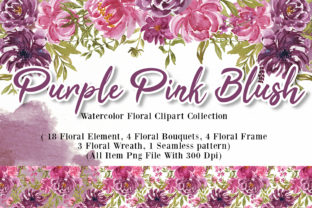
A well-curated illustration set functions like a modular toolkit rather than a collection of isolated pictures. Understanding the specific components included in this purple pink blush flower watercolor package helps users maximize their creative potential.
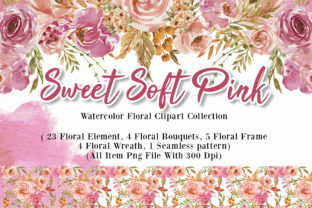
- 18 Separating Images of Flowers and Leaves: These are the foundational building blocks. Having individual elements allows for complete customization. A designer can scatter petals across a layout, create custom borders, or adjust the density of foliage to suit different aspect ratios. The size range of 2000-6000 pixels on the longest edge ensures these elements can be scaled up significantly without losing the authentic watercolor paper texture.
- 4 Flower Bouquets: Pre-arranged bouquets serve as focal points. They save time for creators who may lack floral arrangement skills while providing a professionally composed centerpiece for invitations, posters, or merchandise.
- 3 Flower Wreaths: Wreaths are structurally significant in design. They provide a natural frame for text, logos, or photographs. In wedding stationery, for example, a wreath creates a dedicated space for names and dates, guiding the viewer’s eye to the most important information.
- 4 Flower Frames: Similar to wreaths but often more geometric or open, frames are essential for certificates, menu cards, and social media templates. They add decorative interest without overwhelming the central content.
- 1 Seamless Pattern: Available in both PNG and JPG, seamless patterns are vital for surface design. Because the edges align perfectly when tiled, this single file can cover infinite surface areas, making it ideal for wrapping paper, fabric printing, and website backgrounds.
Practical Applications Across Industries
The versatility of this file set extends far beyond digital scrapbooking. Its practical relevance spans multiple sectors, demonstrating how specialized art assets drive real-world projects.
Wedding and Event Stationery
This is perhaps the most obvious application, yet it requires specific attention to detail. When designing wedding invitations using these assets, the high resolution ensures that fine details in the brushwork are visible even on premium cotton paper. The purple and pink blush palette pairs exceptionally well with gold foil stamping or letterpress techniques, allowing designers to mix digital printing with traditional craftsmanship.
Merchandise and Product Design
For entrepreneurs running print-on-demand businesses, this illustration set offers immediate inventory expansion. The 300 DPI specification is non-negotiable for products like t-shirts, mugs, and shopping bags. A low-resolution flower on a ceramic mug looks amateurish and damages brand reputation. With these high-pixel assets, creators can produce retail-ready products where the watercolor texture feels intentional and artistic. Telephone boxes and stickers also benefit from the vibrant RGB coloring, which pops against various substrate materials.
Interior Decoration and Wall Art
Home decor trends currently favor biophilic design—bringing nature indoors. Large-format wall art requires massive pixel dimensions. Since the elements in this set reach up to 6000 pixels, they can be printed at large sizes while maintaining the integrity of the watercolor grain. This prevents the "digital artifacting" that occurs when smaller images are stretched, ensuring the artwork looks like a genuine painting rather than a computer print.
Navigating Common Misconceptions
Even experienced users sometimes encounter hurdles when working with watercolor assets. Clarifying these points ensures smoother workflows and better results.
- "Higher DPI Always Means Better Color": False. DPI refers to print density, not color accuracy. The quality of the blush and purple hues depends on the original scanning process and color profiling. This set’s quality watercolor paper texture retention indicates superior digitization, not just high pixel counts.
- "PNGs Are Only for Web": Incorrect. While PNGs are web-standard for transparency, high-resolution PNGs are excellent for print. The key is ensuring the pixel dimensions match the desired physical print size at 300 DPI.
- "Seamless Patterns Cannot Be Edited": While the pattern itself is fixed, having it in PNG format with transparency (if applicable) or as a high-res JPG allows designers to overlay additional elements, change background colors, or mask sections to create unique variations without altering the original tile.
Building Creative Confidence Through Quality Assets
Ultimately, investing time in understanding and utilizing a professional purple pink blush flower watercolor illustration set is an investment in creative efficiency and output quality. Whether you are a seasoned graphic designer streamlining your workflow, a bride crafting DIY stationery, or an educator creating engaging visual materials, the technical reliability of these assets removes barriers to expression.
By respecting the resolution requirements, leveraging the modularity of separate elements, and appreciating the aesthetic nuances of the medium, users can transform simple digital files into tangible, beautiful objects. The blend of traditional watercolor charm with modern digital precision represents the best of current design capabilities, proving that technology and artistry are not opposing forces, but complementary tools in the creation of meaningful visual experiences.